


Ayurvedic Management of Hidradenitis Suppurativa
Hidradenitis Suppurativa is a chronic, inflammatory skin disorder where painful nodules, abscesses, and sinus tracts form in areas like the armpits, groin, buttocks, and under the breasts, inner thighs. It is linked with blocked hair follicles, recurrent infection, and immune overreaction.
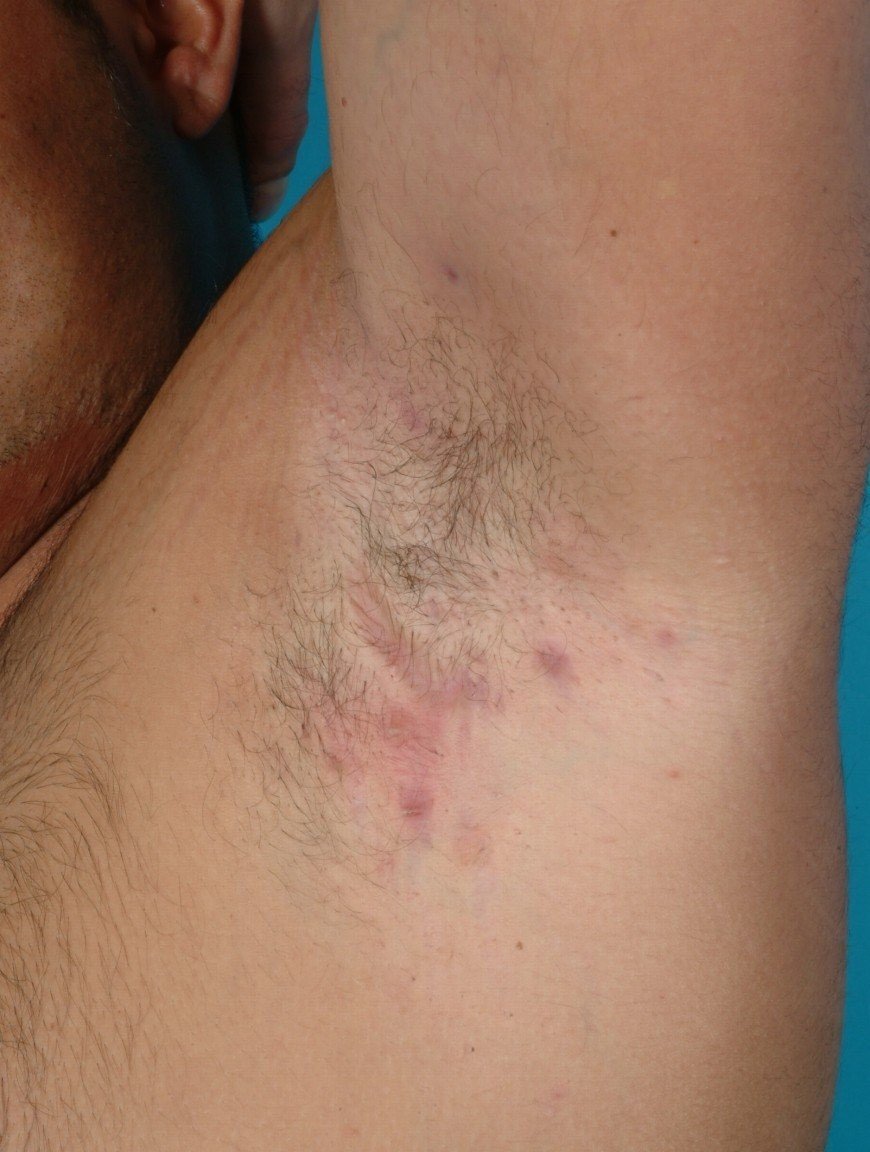 SIGNS AND SYMPTOMS
– Painful small lumps or nodules under the skin
– Skin feels tender, itchy, or burning
– Boil-like abscesses that may rupture and drain pus
– Tunnels (sinus tracts) form under the skin connecting lumps
– Bad odor due to pus drainage
– Scarring and thickened skin over time
– Recurrence in the same area
– Double comedones (blackheads appearing in pairs)
– Swelling, redness, and warmth over affected areas
– Pain worsens with friction, heat, or stress
CAUSES
- Follicular Occlusion (Blocked Hair Follicles)
-The main trigger is believed to be blockage of hair follicles, leading to inflammation and rupture
- Immune System Dysfunction
-An overactive immune response causes inflammation, even without infection
- Hormonal Influence
– Often starts after puberty
– Worsens with menstrual cycles or hormonal imbalance (like PCOS)
- Genetic Factors
-Family history in 30–40% of cases
-Certain genes may increase susceptibility
- Lifestyle Triggers
-Smoking
– Obesity
– Tight clothing or skin friction
– Sweating and heat
RISK FACTORS
- Age
– Typically starts after puberty, between ages 18–40
- Sex
– More common in women than men
- Family History
– Having a first-degree relative with HS increases risk
- Smoking
– Strongly linked to HS onset and severity
- Obesity
– Increases skin friction, sweating, and inflammation
- Hormonal Imbalance
– Conditions like PCOS may contribute
– Symptoms often worsen with menstruation
- Tight Clothing & Friction
– Constant rubbing of skin areas can trigger lesions
- Other Health Conditions
– Higher risk with metabolic syndrome, inflammatory bowel disease, or diabetes
COMPLICATIONS
- Scarring and Skin Changes
– Thickened, rope-like scars
– Permanent disfigurement of affected areas
- Sinus Tracts and Tunnels
– Abnormal tunnels under the skin connecting lesions
– Can trap pus and cause recurrent infections
- Restricted Movement
– Pain and scarring in joints (like underarms or groin) can limit motion
- Infections
– Chronic wounds can become secondarily infected
– May lead to cellulitis or abscesses
- Fistula Formation
– Especially in perianal area; abnormal connection between skin and internal organs
- Psychological Impact
– Anxiety, depression, social withdrawal due to pain, odor, and appearance
- Squamous Cell Carcinoma
– Rare, but long-standing HS (especially in groin/perianal area) increases cancer risk
- Lymphedema
– Blockage of lymph vessels due to scarring, especially in the groin or underarms
HIDRADENITIS SUPPURATIVA IN AYURVEDA
In Ayurveda, HS doesn’t appear as a single named disease in the classical texts, but its features resemble conditions under the category of Ksudra Kustha (minor skin diseases) and sometimes Vidradhi (abscesses/boils) or Granthi (nodular swellings).
TREATMENT PRINCIPLES
PANCHAKARMA TREATMENT MODALITIES
- Vamana: A therapeutic vomiting process to expel excess Kapha from the body, helping to detoxify and balance the system.
- Virechana: A controlled purgation therapy aimed at removing excess pitta through the digestive tract, promoting overall detoxification.
- Basti: An enema treatment using herbal oils or decoctions to eliminate toxins from the colon,effectively balancing Vata dosha.
- Raktamokshana: A bloodletting therapy used to remove toxins directly from the bloodstream, especially helpful in treating skin and blood disorders.
- Kashaya Dhara: (pouring medicated decoction) with Nimba, Triphala, Guduchi
- Nasya: A nasal cleansing technique that involves the application of medicated oils or powders through the nostrils to clear the sinuses and balance doshas.
- Lepa: Lepa is an Ayurvedic external therapy involving the application of herbal paste on the skin or affected body part.
MEDICATIONS
AYURVEDIC FORMULATIONS
- Guggulutiktaka Kashayam
- Manjishtadi Kashayam
- Mahatiktaka kashaya,
- Patolakaturohinyadi kashayam
- Patolamuladi kashayam
- Vasaguduchyadi kashayam
- Kaishora Guggulu
- Amritadi guggulu
- Arogyavardhini Vati
- Gandhaka Rasayana
- Nimbadi Guggulu
- Triphala / Panchavalkala Decoction Wash
- Jatyadi Taila / Malathyadi Taila
LIFESTYLE AND HOME REMEDIES
Beneficial foods
- Anti-Inflammatory Vegetables:
– Leafy greens: Spinach, methi, drumstick leaves
– Cruciferous: Broccoli, cauliflower, cabbage
– Bitter vegetables: Karela (bitter gourd), neem leaves
- Fruits (Low-Glycemic & Cooling):
– Pomegranate, apple, pear
– Amla (Indian gooseberry) – rich in vitamin C
– Avoid citrus if skin is hypersensitive
- Whole Grains:
– Brown rice, millet (ragi, jowar), quinoa
– Avoid refined wheat and maida
- Probiotic-Rich:
– Buttermilk (diluted and spiced with jeera)
– Homemade curd in moderation
- Good Fats & Protein:
– Nuts: Almonds (soaked), walnuts
– Seeds: Flaxseeds, chia, sunflower
– Moong dal, masoor dal for light, digestible protein
- Hydration:
– 2.5–3 L water/day
– Herbal teas: Neem, ginger, turmeric, coriander seed tea
Things to be avoided
- Fried, oily, spicy, and processed foods
- Sugar, gluten (if sensitive)
- Red meat,
- Alcohol
- Smoking
- Carbonated drinks
- Dairy products (milk,cheese,butter)
- Harsh soaps.deodorants and perfumes
- Chemical laden creams on broken skin
- Tight clothing
- Shaving over affected areas
AYURVEDIC HOME REMEDIES
- Turmeric Paste
– How: Mix turmeric powder with a little water or coconut oil
– Apply: On affected area for 20–30 mins daily
– Benefit: Reduces inflammation, dries pus, speeds healing
- Neem Leaf Decoction
– How: Boil neem leaves in water; cool and use to wash lesions
– Benefit: Antibacterial, purifies skin, reduces infection
- Warm Compress (Triphala Water)
– How: Boil 1 tsp Triphala in water, let it warm, apply with a clean cloth
– Benefit: Reduces pain, swelling, and opens blocked follicles
- Aloe Vera Gel
– How: Apply fresh aloe vera gel on boils twice daily
– Benefit: Soothes skin, reduces inflammation and irritation
- Detox Drink
– How: 1 tsp turmeric + 1 tsp amla juice + warm water in the morning
– Benefit: Blood purification, reduces flare-ups
- Epsom Salt or Neem Bath
-How: Add Epsom salt or neem decoction to bath water
– Benefit: Drains pus, reduces odor, relieves itching
- Lifestyle Tips:
– Wear loose cotton clothes
– Avoid shaving over affected areas
– Maintain healthy weight
– Stay hydrated
– Practice stress relief (yoga, pranayama)
AYURDHAMA TREATMENT PROGRAM INCLUDES
- Initial Consultation with Ayurveda Doctor and daily follow up consultation.
- Accommodation
- All Ayurvedic Meals (Breakfast, Lunch & Supper) & herbal drink
- Advice on Diet & Lifestyle Management
- Ayurveda Therapies – Customized for each client
- Yoga (once a day – Yoga Asanas, Breathing, Meditation and Relaxation)
Pathya (Restrictions) during Treatment Package:
During these treatment Clients should strictly follow the Pathyas (restrictions) –
- Only very light and warm food is allowed, Only warm water for drinking and bathing.
- No coffee and Black tea
- No Non veg food (meat – All types, Fish and eggs)
- No Alcoholic drinks
- No exertion (mentally and physically)
- No Day sleep
RESERVATION DETAILS
- We are committed to keep up the quality of our treatment programs and we take only a limited number of patients each month.
- So, we advise you to reserve your treatment programs a minimum one month in advance.
- The 50% charges of the treatment programs should be paid in advance to reserve the treatment programs.
- The advance deposit will be deducted from the total treatment programs and the balance must be paid on the first day of the treatment program.