


Ayurvedic Management of Synkinesis
Synkinesis is a condition where involuntary muscle movements occur along with voluntary ones, usually after nerve damage and regeneration — most commonly seen after facial nerve palsy (like Bell’s palsy).
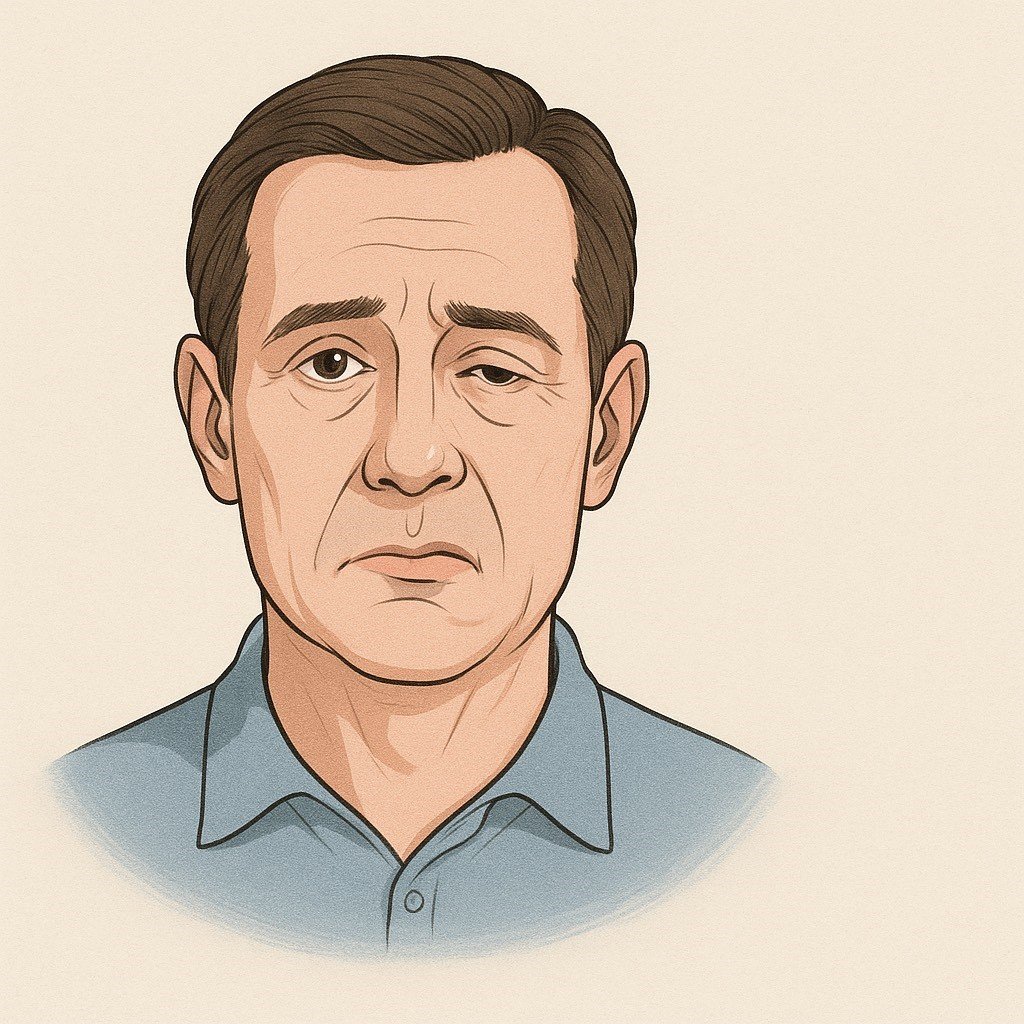 SIGNS AND SYMPTOMS
- Involuntary muscle movement during voluntary actions – e.g- Eye closes when smiling or chewing
- Facial tightness or stiffness – Feels like the face is “pulled” or tense
- Asymmetry of facial expressions – One side of the face reacts differently
- Twitching or jerking of facial muscles
- Difficulty with facial coordination – Trouble isolating movements (e.g., smiling without blinking)
- Reduced facial flexibility – Limited or awkward expression control
- Involuntary tearing – Tears may flow when eating (called “crocodile tears”)
CAUSES
- Bell’s Palsy – The most frequent cause; as the facial nerve heals, it may reconnect incorrectly.
- Facial Nerve Injury or Trauma – Due to accidents, cuts, or fractures affecting the facial nerve.
- Facial Nerve Surgery – Surgeries near the ear, parotid gland, or brain can damage the nerve.
- Brainstem Stroke – Affects nerve pathways involved in facial movement.
- Tumors – Acoustic neuroma, parotid tumors, or other growths affecting nerve function.
- Infections – Herpes zoster oticus (Ramsay Hunt syndrome) or other viral infections.
- Congenital (rare) – Some people may be born with miswiring of facial nerves.
RISK FACTORS
- Severe Facial Nerve Injury – Greater damage increases the chance of abnormal nerve regeneration.
- Delayed or Incomplete Recovery from Bell’s Palsy – If facial palsy doesn’t fully heal within 3–6 months, the risk rises.
- Inadequate Facial Rehabilitation – Lack of guided facial exercises post-palsy can lead to miswiring.
- Repeated Episodes of Facial Palsy – Increases long-term nerve damage.
- Facial Surgery or Trauma – Especially near the parotid gland or ear, where facial nerves are more exposed.
- Female Gender – Some studies suggest synkinesis is slightly more common in females post-Bell’s palsy.
- Younger Age – Younger patients may regenerate nerves faster, but sometimes less precisely.
COMPLICATIONS
- Functional Impairment
– Involuntary eye closure while eating or smiling
– Difficulty speaking, blinking, or showing expressions naturally
– Facial stiffness or tightness
- Cosmetic Concerns
– Asymmetrical facial movements
– Visible twitching or tightness on one side
– May affect self-confidence
- Emotional & Psychological Effects
– Anxiety, frustration, or low self-esteem
– Social withdrawal due to appearance or discomfort
– Depression in chronic cases
- Muscle Weakness & Fatigue
– Overworked facial muscles may tire easily
– Discomfort while performing daily facial actions
- Long-Term Neuromuscular Dysfunction
– If untreated, abnormal nerve-muscle patterns become permanent
– May limit the success of future treatments like physiotherapy or botox
SYNKINESIS IN AYURVEDA
Synkinesis is a complication of facial nerve damage, such as Bell’s palsy called as Ardita in Ayurveda,where involuntary muscle movements occur alongside voluntary ones.
Synkinesis is understood as a disorder caused by Vata dosha imbalance, particularly affecting the Vyana Vata and Udana Vata, which govern nerve impulses and facial movements.
TREATMENT PRINCIPLES
PANCHAKARMA TREATMENT MODALITIES
- Snehana (Oleation)
– External: Abhyanga with Mahanarayana taila, Ksheerabala taila
– Internal: Medicated ghee like Ashwagandhadi Ghrita
- Swedana (Sudation)
– Nadi sweda or mild steam on affected area to improve circulation
- Nasyam (Nasal Therapy)
– Medicated oils (e.g., Anu Taila) instilled into nostrils
– Stimulates cranial nerves and supports facial nerve healing
- Shirodhara
– Continuous pouring of warm herbal oil on the forehead
– Calms the nervous system and reduces muscle spasms
- Pizhichil
– Warm medicated oil is poured over the body
– Beneficial for nerve rejuvenation in long-standing cases
- Sirovasti / Shiro Abhyanga
– Oil is retained on the head using a leather cap or massaged gently
– Helps in managing facial nerve imbalances
- Mukha Abhyanga & Facial Exercises
– Special facial massages and guided movements for retraining nerve-muscle pathways
- Panasa Patra Sweda
-Panasa Patra Sweda is a type of Patra Pinda Sweda (fomentation using medicinal leaves) described in Ayurveda, where leaves of Panasa – Jackfruit tree (Artocarpus heterophyllus) are used for sudation therapy.
- Ksheera dhooma
-Ksheera = milk, Dhooma = steam.
It is a sudation therapy where steam generated from milk processed with herbs is directed onto affected areas or the whole body.
MEDICATIONS
AYURVEDIC FORMULATIONS
- Mahayogaraja guggulu
- Ekangaveera rasa
- Rasona pinda – garlic is the main ingredient
- Maharasnadi kwatha
- Rasnadi guggulu
- Dashamoola rasayana
- Arditakshepaka vatahara kashayam
- Maharasnadi kwatham
- Kaushikokta Rasnadi kwatham
- Kushtahara kashayam
- Karpasasthyadi Tailam
- Karpasathyadi taila
- Mahanarayana taila
- Mahamasha taila
- Saindhavadi taila
- Laghuvishagarbha taila
- Prasarini taila
- Vijayabhairava taila
LIFESTYLE AND HOME REMEDIES
Beneficial foods
- Warm water
- Lukewarm milk
- Black gram
- Wheat
- Red rice
- Drumstick
- Garlic
- Raisins
- meatsoup etc
- Green and leafy vegetables. Broccoli, spinach and asparagus all contain vitamin B, a nutrient important for nerve regeneration and nerve function
- Eat at least one fruit daily to help heal damaged nerves
- Sweet potato
- Avocado
Things to be avoided
- Stress and strain
- Bitter and dry substances
- Fried eatables
- hard, chewy, dry, crumbly, and mixed-consistency foods
AYURVEDIC HOME REMEDIES
1 Facial Relaxation Exercises
– Practice gentle massage over tight muscles (jaw, cheeks, around eyes)
– Perform slow, controlled facial movements in front of a mirror
– Avoid exaggerated expressions—focus on symmetry and control
- Warm Compress
– Apply a warm towel over affected areas to reduce tightness and improve blood flow
- Coconut or Castor Oil Massage
– Gently massage with warm coconut oil or castor oil to relax nerves and muscles
– Add a few drops of lavender oil for calming effect
- Mindfulness & Stress Relief
– Stress worsens synkinesis—try breathing exercises, meditation, or yoga
- Stay Hydrated & Eat Well
– Include B12-rich foods, omega-3s (flaxseeds, walnuts), and leafy greens
– Limit caffeine and processed foods which may increase nerve sensitivity
- Avoid:
– Repeated forced facial exercises (can worsen miswiring)
– Cold exposure on the face
– Stressful triggers
AYURDHAMA TREATMENT PROGRAM INCLUDES
- Initial Consultation with Ayurveda Doctor and daily follow up consultation.
- Accommodation
- All Ayurvedic Meals (Breakfast, Lunch & Supper) & herbal drink
- Advice on Diet & Lifestyle Management
- Ayurveda Therapies – Customized for each client
- Yoga (once a day – Yoga Asanas, Breathing, Meditation and Relaxation)
Pathya (Restrictions) during Treatment Package:
During these treatment Clients should strictly follow the Pathyas (restrictions) –
- Only very light and warm food is allowed, Only warm water for drinking and bathing.
- No coffee and Black tea
- No Non veg food (meat – All types, Fish and eggs)
- No Alcoholic drinks
- No exertion (mentally and physically)
- No Day sleep
RESERVATION DETAILS
- We are committed to keep up the quality of our treatment programs and we take only a limited number of patients each month.
- So, we advise you to reserve your treatment programs a minimum one month in advance.
- The 50% charges of the treatment programs should be paid in advance to reserve the treatment programs.
- The advance deposit will be deducted from the total treatment programs and the balance must be paid on the first day of the treatment program.